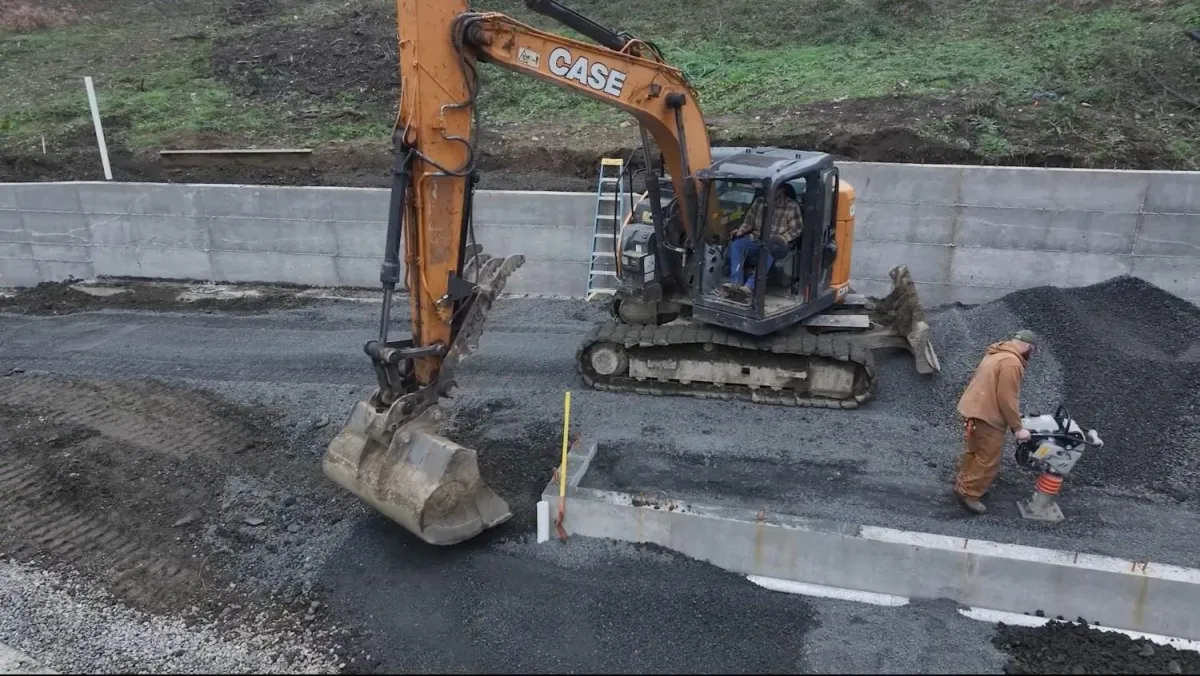
Best Way to Prepare Your Land for Grading Near Pierce County, Washington
Cheap Grading vs. Professional Grading Near Pierce County: What Homeowners Need to Know First
You’re staring out at your yard, and something just isn’t right.
Maybe water keeps pooling after it rains. Maybe the ground slopes toward your home instead of away from it. Or maybe you’re getting ready to build, and someone just told you grading needs to come first.
Then the quotes come in.
One contractor is thousands cheaper than the others. It sounds like a no-brainer. Same dirt, same machine… right?
But something in your gut says, “Why is it so much cheaper?”
That hesitation is real. We hear it all the time from homeowners around Pierce County. You want to save money. Of course you do. But you also don’t want to make a decision that causes bigger problems down the road.
At Southbay Septic & Excavation, we’ve seen both sides of this. We’ve worked on projects that were done right the first time, and we’ve also been called in to fix grading that should have never passed as “finished.”
This guide is here to help you understand the difference clearly, so you can make a decision you feel confident about when it comes to Grading near Pierce County, Washington.
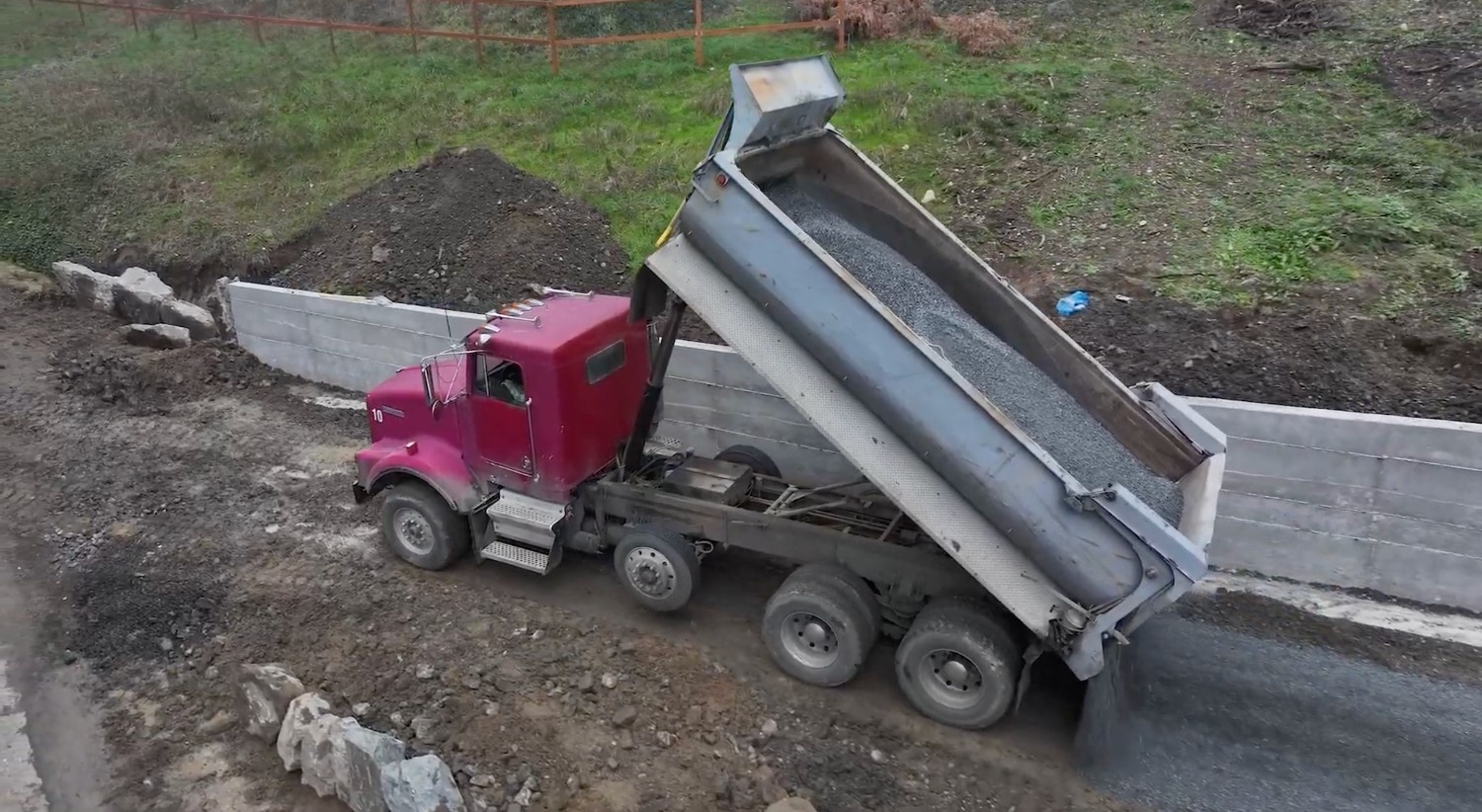
What Is Land Grading and Why It Matters for Properties Near Pierce County, Washington
Grading is more than just moving dirt around.
It’s shaping your land so water flows the right way, your foundation stays protected, and your property holds up over time.
In areas like Pierce County, where rain is a regular part of life, grading plays a major role in:
Preventing water from pooling near your home
Protecting foundations from erosion and shifting
Creating a stable base for driveways, patios, and buildings
Improving drainage across your entire property
If grading is done right, you may never think about it again.
If it’s done wrong, you’ll notice it every time it rains.
What “Cheap Grading” Really Means (And Why It’s So Tempting)
Cheap grading doesn’t always mean bad intentions.
Sometimes it’s just someone offering a lower price to win the job. But most of the time, that lower price comes from cutting corners somewhere.
That can include:
Minimal site evaluation before starting
No laser or precision grading tools
Rushing through the job in a single pass
Skipping compaction or soil preparation
Using the wrong equipment for the property
And to be fair, when you’re looking at a quote that saves you thousands upfront, it’s hard not to consider it.
We get it. Most homeowners aren’t trying to buy “cheap work.” They’re just trying to stay within budget.
The problem is that. grading is one of those things where mistakes don’t always show up right away.
They show up later. Usually, when it rains.
What Defines Professional Grading Near Pierce County, Washington
Professional grading is not just about making the ground look level.
It’s about understanding how your land behaves.
A professional approach usually includes:
Evaluating slope, soil type, and drainage patterns
Using proper equipment for accuracy and consistency
Grading with long-term water flow in mind
Compacting soil to prevent settling later
Taking time to get elevations right, not just “close enough”
At Southbay Septic & Excavation, we approach every grading project with one goal in mind: make it work for the long haul, not just the day we leave.
Because once the job is done, your land has to handle seasons, storms, and time.
Cheap Grading vs. Professional Grading Near Pierce County: A Side-by-Side Comparison
Here’s where the difference becomes easier to see.
Cheap Grading:
Focuses on speed and low cost
Often skips detailed planning
May rely on visual leveling instead of precision tools
Higher risk of drainage issues
Short-term solution
Professional Grading:
Focuses on long-term performance
Includes site analysis and planning
Uses precision tools and experienced operators
Designed to handle water and soil movement
Built to last
On the surface, both might look similar when the job is finished.
The difference shows up over time.
The Real Cost of Cheap Grading Near Pierce County (Short-Term Savings vs. Long-Term Expenses)
Let’s say you save $3,000 upfront by choosing a cheaper option.
Sounds like a win.
But then a few months later:
Water starts pooling near your home
Your yard develops low spots
Soil begins to erode
You notice water creeping toward your foundation
Now you’re calling someone to fix it.
And fixing grading is almost always more expensive than doing it right the first time.
Why?
Because now you’re paying for:
Rework of the original job
Additional material and labor
Possible repairs to damage already caused
What started as a “cheap” option can quickly become the most expensive one.
Common Problems Caused by Poor or Cheap Grading in Pierce County
We’ve seen these issues across Thurston, Pierce, Lewis, and Kitsap County.
Here are the most common problems:
1. Water Pooling Near the Home
This is the biggest one. Water should always move away from your house, not toward it.
2. Soil Erosion
Improper slopes can cause soil to wash away during heavy rain.
3. Foundation Concerns
Too much moisture around your foundation can lead to cracks or shifting.
4. Uneven Settling
If the soil isn’t compacted correctly, the ground can sink over time.
5. Drainage System Failure
Even the best drainage systems struggle if the grading isn’t right.
Most of these problems don’t show up the day the job is done. They show up after the first heavy rain or over the next season.
How Professional Grading Helps Prevent Drainage and Foundation Issues
Good grading works quietly in the background.
You don’t notice it. And that’s the point.
When grading is done correctly:
Water flows away from your home naturally
Your yard dries out faster after rain
Your foundation stays protected
Other systems, like French drains, work more effectively
It creates a system where everything works together.
Professional grading is not just about the surface. It’s about how your property handles water long after the job is finished.
Equipment, Experience, and Precision: The Biggest Differences That Affect Results
One of the biggest differences between cheap and professional grading comes down to three things:
Equipment
Proper grading often involves more than just a skid steer. It may include laser levels, GPS grading systems, and specialized attachments.
Experience
Knowing how water moves across land is not something you guess. It comes from years of working on different types of properties.
Precision
A few inches might not seem like a big deal, but in grading, it can change everything.
We’ve seen properties where a slight miscalculation caused water to flow directly toward a home instead of away from it.
That’s how small details turn into big problems.
When Cheap Grading Might Work (And When It Usually Doesn’t)
There are situations where a lower-cost grading job might be acceptable.
For example:
Small, non-critical areas of land
Temporary fixes
Projects where drainage is not a major concern
But for most residential properties, especially around homes, driveways, or future construction, grading is not something you want to gamble on.
If water, structure, or long-term stability is involved, it’s worth doing right.
How to Choose the Right Grading Contractor Near Pierce County, Washington
Choosing the right contractor is less about finding the cheapest price and more about understanding what you’re getting.
Look for someone who:
Takes time to evaluate your property before quoting
Explains how water will move across your land
Uses proper equipment for accuracy
Has experience with local soil and weather conditions
Is willing to answer your questions clearly
At Southbay Septic & Excavation, we believe every property is different. That’s why we focus on customizing each grading plan to fit the specific needs of the land and the homeowner.
Because there is no one-size-fits-all approach to grading.
Questions to Ask Before Hiring for Grading Near Pierce County
Before you commit to any contractor, ask a few simple questions:
How will you ensure proper drainage on my property?
What equipment will you use for this job?
Will the soil be compacted after grading?
How do you determine the correct slope?
What happens if issues show up after the job is done?
The answers you get will tell you a lot.
A professional will walk you through the process. Someone cutting corners will likely keep it vague.
When it comes down to it, grading is one of those decisions where you may only get one clean shot to do it right.
And while saving money upfront feels good, peace of mind after every rainfall feels better.


