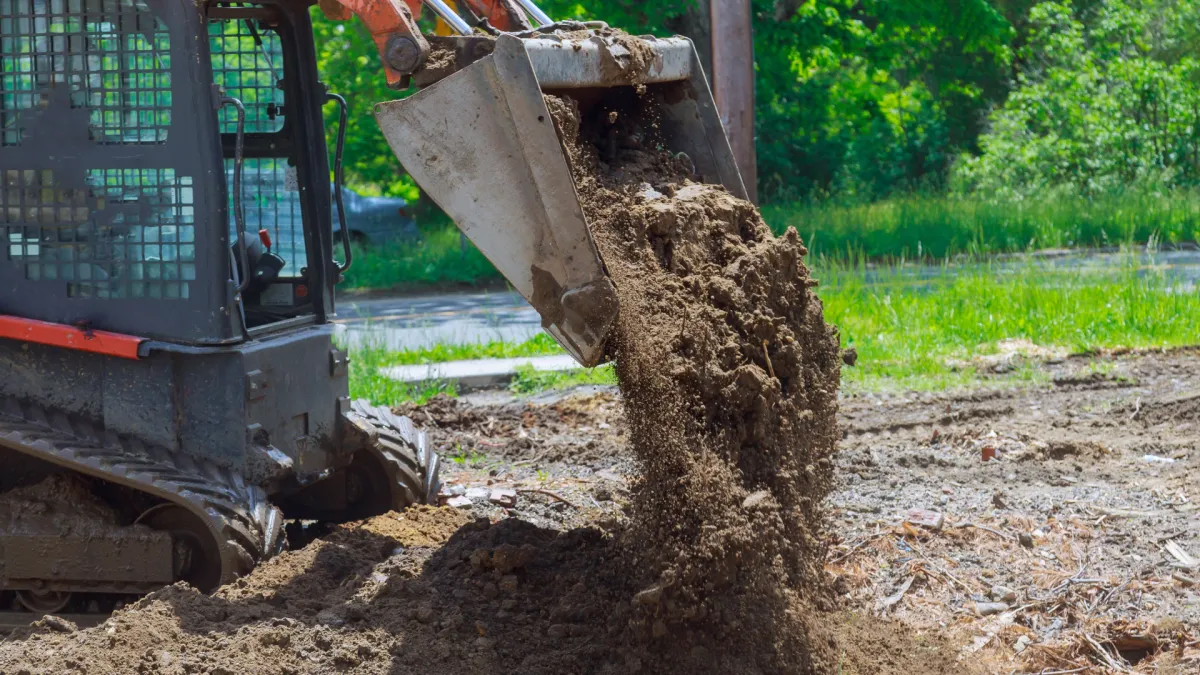
Foundation Digging near Thurston County, WA
The Best Pre-Construction Checklist for Foundation Digging in Thurston County, WA
Who We Serve & Why This Checklist Matters in Thurston County, WA
We’re Southbay Septic & Excavation, based in Olympia and serving Thurston, Pierce, Lewis, and Kitsap Counties. If you’re a homeowner, a first-time builder, or a small developer, this checklist is for you. You might be excited to build, but also nervous: Will my lot drain? Will the County approve things? What if we hit water? You’re not alone. In our area, rain comes fast, soils change lot-to-lot, and rules are strict. Good news: a smart plan before the first scoop saves money, cuts stress, and keeps your schedule on track. This guide walks you through what to do, in what order, so your foundation dig is clean, safe, and ready for concrete.
Foundation Types in Thurston County: What Works Best for Your Soil and Slope
Every site has its own personality. Around here we see a mix of glacial till, clay pockets, and sandy seams—sometimes on the same property. Your foundation choice should match your soil and slope.
Slab-on-Grade: Good for flatter lots with solid bearing soil and well-managed drainage. Simple and cost-effective if water is controlled.
Crawl Space: Gives room for utilities and can help in areas with mild slope or variable soils. Needs proper venting and moisture control.
Full Basement: Best for steeper lots where you can daylight one side. Requires careful waterproofing, drainage, and engineering.
Our rule: Don’t pick a foundation style until you’ve looked at the soil and water. The dirt always tells the truth.

Site Survey & Staking: Property Lines, Setbacks, and Benchmark Elevations
Before we move a single rock, we confirm:
Boundary survey: Where are your exact lines and setbacks?
House corners staked: We set hubs and stakes where the foundation will go.
Benchmark elevation: We lock in a reference height so the dig, footings, and finish floor all match the plan.
A few inches off on paper can become a big problem in concrete. Staking keeps everything honest.
Geotechnical & Soil Testing: Load-Bearing, Water Table, and Frost Depth Facts
A short visit from a geotech can save thousands later. We look for:
Bearing capacity: Can the soil carry the house without extra over-excavation?
Water table: How high does water sit after heavy rains?
Frost depth guidance: How deep should footings extend to avoid seasonal heave?
If tests say the soil is soft or wet, we plan fixes up front—over-excavate, bring in structural fill, add drains—so you don’t learn the hard way after forms are set.
Permits & Codes: Thurston County Requirements, Inspections, and Submittals
Paperwork isn’t fun, but it protects you. We confirm:
Building permit is issued and posted on site.
Erosion control plan is approved (the County takes this seriously, especially in wet seasons)
Inspections are on the calendar: footing, foundation, and erosion-control checks.
If you’re unsure what you need, we help you map it out. A missing permit can stop a job for days.
Utility Locates & Easements: 811, Private Lines, and No-Dig Safety Rules
We never guess where utilities are. We call 811 to locate public lines and, when needed, use private locators for well lines, septic laterals, and old power feeds.
Mark easements: Drainage, utility, or access easements can shape where we dig and how we haul.
Safety buffer: We maintain stand-offs from marked lines and hand-dig in sensitive areas.
Hitting a line is expensive and dangerous. We don’t let that happen.
Drainage & Erosion Control Plan: Silt Fence, Inlet Protection, and Rain Readiness
In Thurston County, rain is not a “maybe.” We prep for it:
Silt fence and wattles before disturbance.
Inlet protection where storm drains are nearby.
Stabilized site entrance to keep mud off the road.
Temporary swales to guide water away from the dig.
Think of it like an umbrella for your jobsite—cheap to set up, costly to skip.
Septic & Sewer Planning: Tank Location, Drain Field Protection, and Access Lanes
For septic projects, the drain field is sacred. We flag and fence it so nothing compacts it—not trucks, not pallets, not even a wheelbarrow. We also plan:
Septic tank and line routes, keeping gravity in our favor.
Access for pump trucks and future maintenance.
Sewer tie-in if you’re on public sewer, including tap location and depth.
A small layout tweak now can prevent backups later.
Access, Staging, and Traffic: Equipment Paths, Temporary Roads, and Storage Zones
We plan how people and machines move:
Clear access lane that stays dry and firm.
Staging area for forms, rebar, and materials.
Turn-around space so trucks don’t rut your lawn or block the street.
Good logistics keep your neighbors happy and your schedule tight.
Tree Protection & Clearing Strategy: Root Zones, Buffers, and Selective Removal
Trees add value, but roots hate compaction and cuts. We:
Fence critical root zones of trees you want to keep.
Remove only what’s necessary, starting with weak or leaning trees near the dig.
Grind stumps or remove them fully if they conflict with footings.
Protecting one great tree well is better than saving three and losing them all to stress.
Cut, Fill, and Spoils Management: Export, Reuse, Compaction, and Haul-Off
Every dig makes spoils. We decide early:
What we keep: Clean, suitable fill for backfill and grading.
What we haul: Muck, organics, and rock that doesn’t compact.
Where we stockpile: Out of the way, on woven fabric if needed, so it stays clean.
We compact in lifts, not all at once, so the ground under your slab or footings won’t settle.
Footing Excavation Tolerances: Depth, Width, Over-Excavation, and Bench Cuts
Footings work only when dimensions are right:
Depth: Down to design grade and below frost guidance.
Width: As engineered—no guessing.
Over-excavation: Only when soils require it. If we dig too deep, we replace with structural fill, not random dirt.
Bench cuts on slopes: Step the excavation so forms sit level and safe.
Tight lines now mean straight walls later.
Groundwater & Wet-Weather Tactics: Pumps, Trenches, and Working After a Storm
Water finds the lowest point—your excavation. We prepare:
Sump pits and pumps ready on day one.
Temporary diversion trenches to reroute runoff.
Rock working pads so crews aren’t ankle-deep in soup.
Pause-and-protect protocol after major storms: cover, pump, inspect, resume.
Working wet is possible if you respect the water and keep it moving.
Rebar, Forms, and Inspections: Pre-Pour Readiness and Quality Checkpoints
Before concrete arrives, we confirm:
Rebar size, spacing, and chairs match plans.
Form alignment and bracing are straight and tight.
Keyways, anchor bolts, and hold-downs are in place.
Inspector approval logged with photos and notes.
We build checklists for the checklist—because concrete is hard to un-do.
Safety on the Dig: Trench Safety, Slopes, Shoring, and Daily Jobsite Controls
Nothing matters more than people going home safe.
Slopes or shoring in deeper cuts to prevent cave-ins.
Safe access/egress—ladders where needed.
Daily tailgate talks about changing ground and weather.
Barricades and signage to keep visitors away from open edges.
Safety isn’t a poster on a wall. It’s how we work.
Neighbors & Notifications: Noise Windows, Dust Control, and Good Will
A simple heads-up goes a long way:
Notify neighbors of start dates and major deliveries.
Limit early noise and pack-out times.
Water trucks or hoses for dust on dry days.
Street sweeping if mud hits the asphalt.
Your home is part of a community. We treat it that way.
Budget & Schedule Control: Allowances, Contingency, and Critical Path
We plan for the plan to change—just a little:
Transparent allowances: rock breaking, over-excavation, dewatering.
Contingency: a realistic buffer for unknowns.
Critical path: permitting, inspections, concrete dates, framing start.
When everyone sees the path, no one is surprised by the next step.
Choosing the Right Excavation Partner: Questions to Ask Before You Hire
Here’s what to ask any excavation team (including us):
Local experience: How many digs in Thurston/Pierce/Lewis/Kitsap?
Wet-weather plan: What’s your dewatering setup?
Erosion control: How do you keep the site compliant during storms?
Soil surprises: What’s your process if we hit soft ground or rock?
Documentation: Do you provide photo logs and daily updates?
Coordination: How do you work with the builder, engineer, and inspector?
Good partners communicate early, bring options, and own the details.
Pre-Pour Final Walkthrough: Punch List, Photo Log, and Inspector Sign-Off
Right before the pour, we slow down on purpose:
String-line check on forms and elevations.
Confirm rebar, hardware, sleeves, and penetrations are set.
Photograph everything—it’s your record if questions come up later.
Inspector sign-off in hand before the truck rolls.
If something feels “off,” we fix it now. Concrete remembers mistakes.
What We Do Next: Backfill, Compaction, and Staying Dry During Framing
After the pour cures:
Strip forms carefully so edges stay crisp.
Waterproof and drain foundation walls where required.
Backfill with the right material and compact in lifts.
Direct roof and site water away during framing with temporary gutters and graded swales.
This is how we set your build up for a smooth framing phase—no soft spots, no standing water, no surprises.
Your Quick Pre-Construction Checklist (Print-Friendly)
Use this as a jobsite companion:
☐ Survey complete; corners staked; benchmark set
☐ Geotech review (bearing, water table, guidance)
☐ Permits posted; inspections scheduled
☐ 811 locates and private locates done
☐ Erosion control installed and maintained
☐ Septic/sewer plan mapped; drain field protected
☐ Access lane, staging, and traffic plan set
☐ Tree protection fencing installed
☐ Spoils plan: reuse vs. haul-off
☐ Footing dimensions and step/bench plan verified
☐ Dewatering gear on site; storm protocol in place
☐ Rebar, forms, hardware pre-checked
☐ Safety controls: slopes/shoring, ladders, barricades
☐ Neighbor notice and dust control plan
☐ Budget allowances and contingency reviewed
☐ Pre-pour walkthrough, photos, inspector sign-off
☐ Post-pour waterproofing, drains, and backfill plan
Why This Order Works
The order matters. Each step supports the next. Locates prevent damage. Erosion control keeps you compliant. Soil info shapes the foundation type and the dig depth. Rebar and forms only make sense once the hole is stable and dry. Inspections clear the way for concrete. And backfill waits until the structure can handle the load. This flow cuts rework and keeps crews moving.
How We Help
We’re not here to sell you buzzwords. We’re here to build the right foundation the first time. Our team plans for rain, protects your site, and keeps you in the loop. We customize the process to your lot, your house plan, and your timeline—because no two digs are the same in our counties.
If you want a second set of eyes on your plans—or you’d like this checklist tailored to your property in Olympia, Lacey, Tumwater, Yelm, or anywhere in Thurston, Pierce, Lewis, or Kitsap—reach out. We’ll walk the site, flag the risks, and map the path from brush to build-ready.
A foundation dig isn’t just a hole. It’s the first real shape your home takes. Plan it well, and everything that follows - concrete, framing, finishes—goes smoother. Cut corners here, and you’ll feel it for years. Use this checklist, ask good questions, and bring in a partner who treats your project like their own. That’s how you start strong in Thurston County.


