Drain Field Replacement Near Pierce County, WA | Homeowner Guide
Why Drain Field Problems Create So Much Stress for Houseowner near Pierce County
Most homeowners never think about their drain field until something feels wrong. Water starts backing up. The yard stays wet long after the rain stops. A smell shows up that makes you hesitate to invite people over. And suddenly, you are dealing with a part of your property you may not even know how to locate.
If you live near Pierce County, especially on a rural or semi-rural property, that stress hits harder. Septic systems are not optional here. They are essential. When the drain field struggles, everything else in the system feels uncertain.
We talk with homeowners every week who feel overwhelmed, worried they waited too long, and unsure who to trust. Some fear that replacement means tearing up the entire yard. Others worry about spending money on the wrong fix and having the problem come right back.
Those concerns are valid. Drain field replacement is one of the biggest septic decisions a homeowner can face. Here, we explain what is really happening and help you make decisions that protect your home and property long-term.

Why Does Drain Field Replacement Becomes Necessary
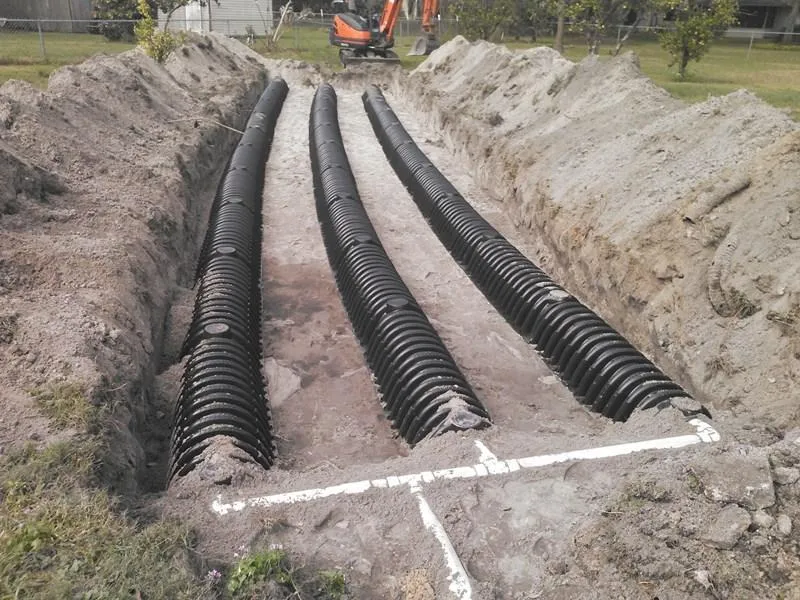
The drain field is where wastewater finishes its treatment process. After waste leaves the septic tank, it flows into the drain field and spreads through a network of pipes. The surrounding soil filters and absorbs that water safely.
When the drain field works, you never notice it. When it fails, nothing works the way it should.
Replacement becomes necessary when the soil can no longer absorb water properly or when the drain field structure itself breaks down. This does not usually happen all at once. It happens slowly, often without obvious signs until the system reaches its limit.
Common Signs Your Drain Field Is Failing Near Pierce County
Some warning signs are easy to miss at first.
Slow drains throughout the home are one of the earliest indicators. Wet or spongy areas in the yard, especially above the drain field, are another. Strong odors near the drain field or septic tank should never be ignored near Pierce County, many homeowners notice problems during wet seasons. The system may seem fine in summer, then struggle when rainfall increases. That seasonal pattern often points to soil saturation issues in the drain field.
Why Drain Fields Fail near Pierce County Homes and Rural Properties
Drain fields in this region face a unique mix of challenges.
Soil composition varies widely. Some areas drain well, while others hold water for long periods. High seasonal water tables make absorption harder. Older drain fields may have been designed for smaller households or outdated usage patterns.
In rural areas, longer pipe runs and uneven terrain add stress. In many cases, the drain field itself did nothing wrong. It simply reached the end of what it could handle.
Drain Field Replacement vs Repair: How to Know Which One You Need
Not every drain field issue requires replacement.
Sometimes the problem lies upstream in the septic tank. Damaged baffles or clogged lines can push solids into the drain field and mimic failure. In other cases, distribution issues cause uneven loading that can be corrected.
Replacement becomes the right option when repairs no longer restore proper absorption or when the soil itself has failed. The key is proper evaluation before committing to any major work.
When Pumping and Temporary Fixes Are No Longer Enough
Pumping can relieve pressure temporarily, but it does not fix a failing drain field.
If pumping helps for a short time and problems return quickly, the drain field is likely the issue. Additives and chemical treatments rarely solve the underlying problem and can sometimes make things worse.
Knowing when temporary fixes stop being helpful is a critical step toward protecting your property.
How Soil Conditions and Water Tables Affect Drain Field Replacement near Pierce County, WA
Soil is the unsung hero of septic systems.
In Pierce County, clay-heavy soils and high groundwater levels are common. These conditions slow absorption and increase the risk of failure if drain fields are not designed correctly.
Best practice drain field replacement near Pierce County, WA accounts for how water moves through the soil across different seasons. Ignoring those conditions almost guarantees future problems.
What Makes Drain Field Replacement Different on Rural Properties
Rural properties often require more planning.
Access for equipment may be limited. Drain fields may be located far from the home. Slopes and natural drainage patterns affect placement and design.
Replacement should work with the land, not fight it. That means careful layout, proper grading, and long-term water management.
Best Practices for Evaluating a Drain Field Before Replacement
Good replacement decisions start with good information.
That includes inspecting the septic tank, evaluating flow patterns, and assessing soil conditions. In many cases, camera inspections help rule out pipe damage or blockages.
Skipping this step increases the risk of replacing the wrong component or repeating the same problem later.
What the Drain Field Replacement Process Looks Like from Start to Finish
Drain field replacement is a process, not a single event.
It starts with our evaluation and planning. Next comes layout and design based on property conditions. Excavation follows, along with installation of new drain field components. Final steps include testing, grading, and site restoration.
Clear communication throughout the process reduces surprises and helps homeowners feel informed instead of overwhelmed.
How Drain Field Placement and Design Impact Long-Term Performance
Where and how a drain field is placed matters just as much as the materials used.
Proper spacing, depth, and slope all affect how wastewater disperses. A well-designed drain field spreads water evenly and allows soil time to absorb and recover.
Design shortcuts often show up later as repeat failures.
How Long Drain Field Replacement Takes in Pierce County
Timelines vary. Some replacements move quickly once work begins. Others take longer due to weather, soil conditions, or permitting requirements. Wet ground can delay work, but those delays often protect quality and long-term performance.
Patience during this stage often pays off.
What to Expect for Your Yard and Property During Replacement
Many homeowners worry about how disruptive replacement will be.
While excavation is involved, careful planning limits the impact. Protecting surrounding areas, managing soil responsibly, and restoring affected sections are all part of a quality job.
The goal is not just a working system, but a property that still feels like home afterward.
Common Mistakes Homeowners Make During Drain Field Replacement
Rushing decisions is the most common mistake.
Others include choosing solutions based only on cost, skipping proper evaluation, or assuming all drain field replacements are the same.
Drain field replacement rewards careful planning and informed choices.
How to Reduce the Risk of Drain Field Failure After Replacement
Replacement is not the end of the story.
Managing water usage, maintaining the septic tank, and addressing small issues early all protect the new drain field. Simple habits make a big difference over time.
Best Practices for Maintaining a New Drain Field
Pump the septic tank as recommended. Avoid driving or parking over the drain field. Keep surface water directed away from the area.
These steps protect soil structure and absorption capacity.
How to Choose the Right Drain Field Replacement Contractor Near Pierce County, WA
Experience with local soils and rural properties matters.
Look for contractors who explain their findings clearly, offer options, and focus on long-term results instead of quick fixes. You should feel informed, not pressured.
Questions Pierce County Homeowners Should Ask Before Replacing a Drain Field
Ask what caused the failure. Ask how the new design addresses that cause. Ask what maintenance will look like moving forward.
Good answers build confidence.
What a Successful Drain Field Replacement Should Accomplish
A successful replacement restores proper flow, protects soil health, and reduces future risk.
It should bring relief, not new worries.
Final Thoughts: Restoring Peace of Mind With the Right Drain Field Replacement
Drain field replacement feels intimidating because it usually comes up during a stressful moment. But when done correctly, it is not a setback. It is a reset.
For Pierce County homeowners, the best guide is one that focuses on understanding the problem, choosing thoughtful solutions, and protecting the property long term. With the right approach, drain field replacement becomes a step forward, not a source of ongoing stress.
That peace of mind is what every homeowner near Pierce County deserves.


